6 Furnace Problems That Call for Heating Repairs
As temperatures drop, ensuring your furnace is in perfect working order becomes crucial. Homeowners often ignore the early signs of furnace issues, leading to costly heating repair or replacement. From ignition system malfunctions to carbon monoxide leaks, understanding these issues allows homeowners to act quickly to avoid inconvenience. Being proactive about furnace maintenance not only safeguards comfort but also enhances the overall lifespan and efficiency of the heating system. Let's uncover a few common furnace problems that necessitate professional heating repair to ensure your home remains warm and energy-efficient.
1. Ignition System Malfunctions
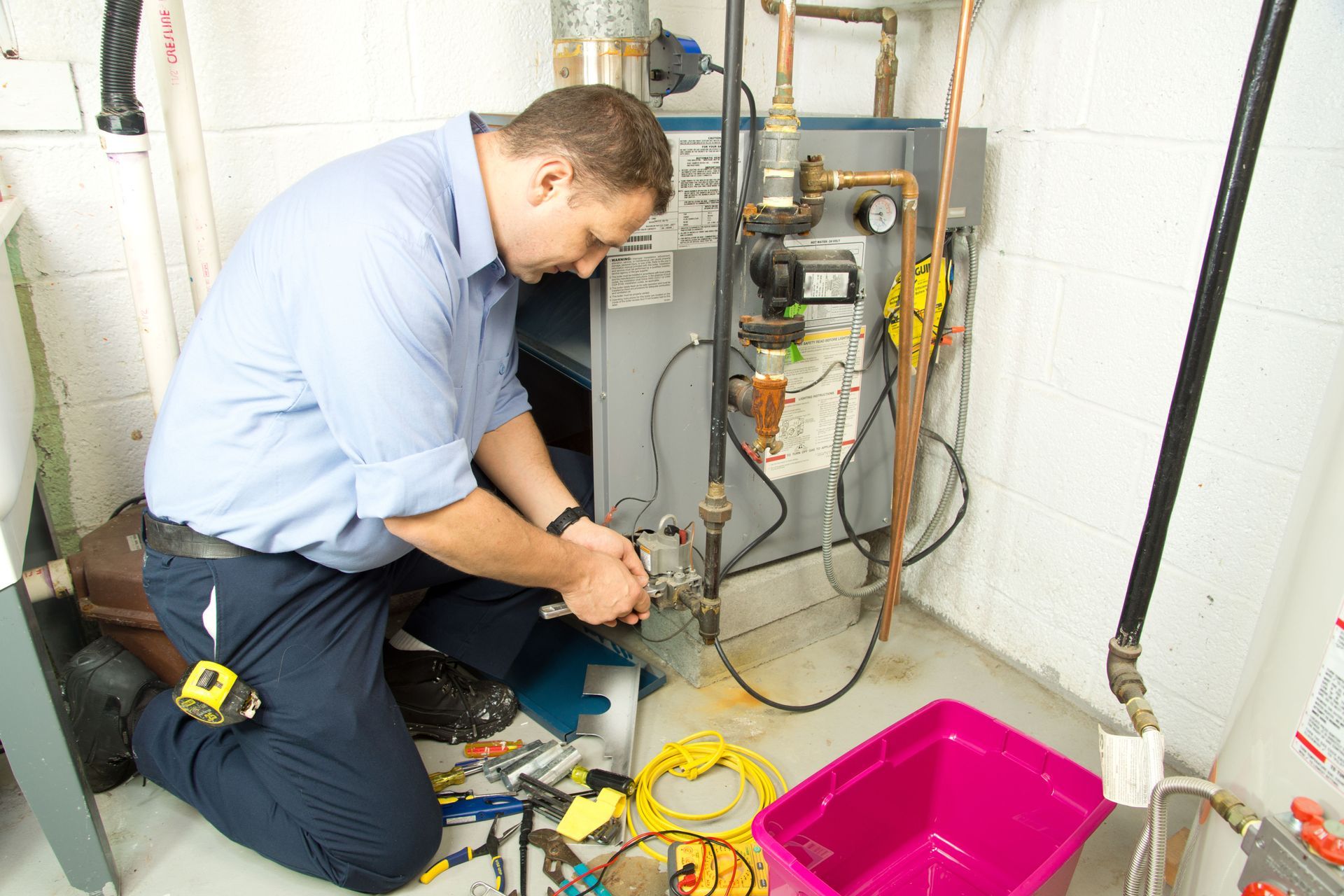
A malfunction in the ignition system can lead to inefficient heating or even complete furnace failure. The pilot light issues are common, especially in older furnace models, where a constantly extinguishing pilot light can indicate a problem with ventilation or the thermocouple. In more modern systems, electronic ignition problems may occur due to faulty sensors or circuit boards, leading to unreliable heating performance. The thermocouple, a safety device that detects the pilot light's presence, may fail, causing the gas valve to close, shutting off the furnace completely. Similarly, a clogged burner restricts fuel flow and prevents the furnace from heating efficiently.
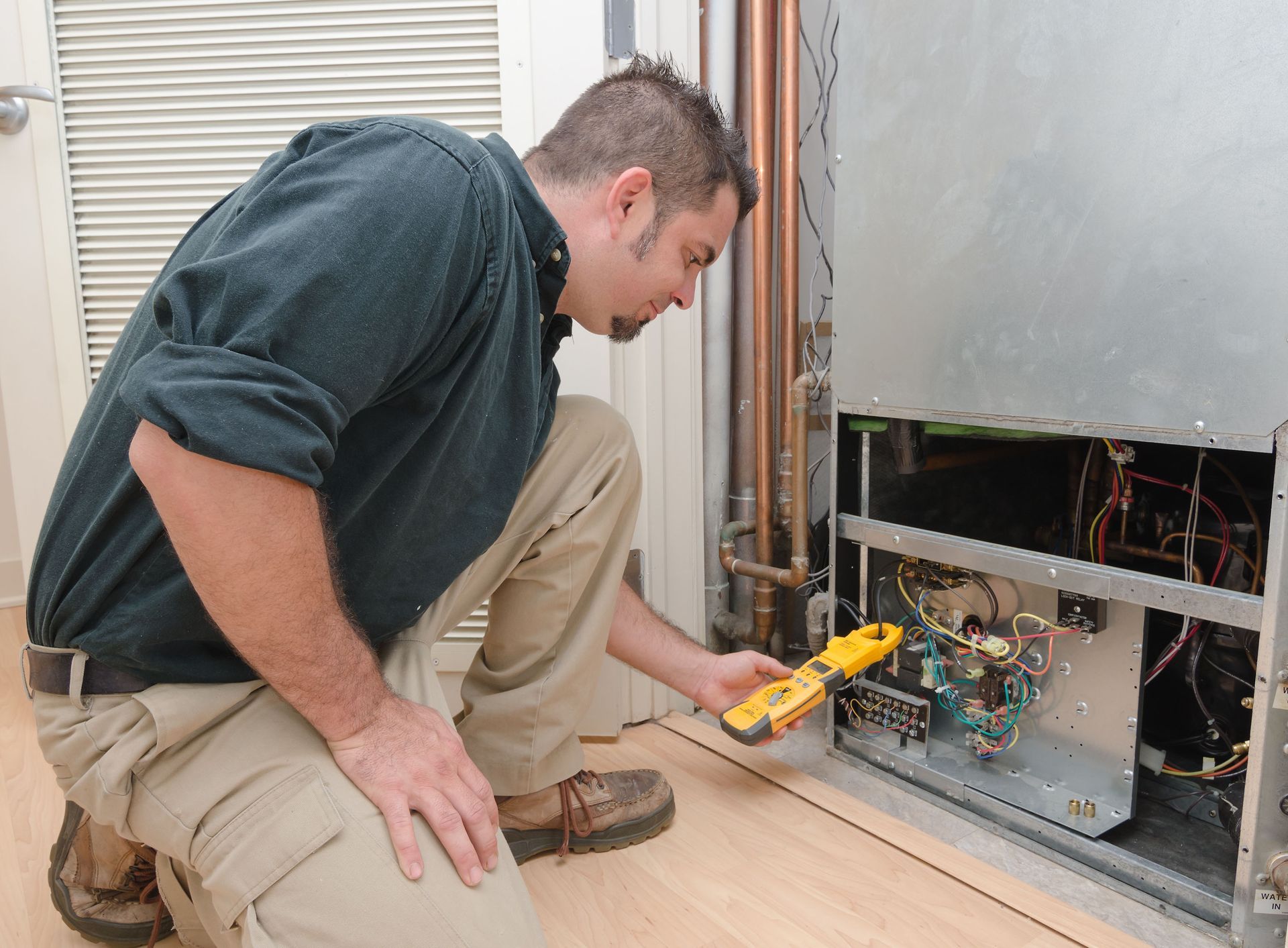
Additionally, gas supply complications can cause intermittent ignition issues or total furnace shutdown. These problems often necessitate a thorough examination by a professional heating repair technician to diagnose the gas flow or valve function properly. Regular maintenance can help prevent these malfunctions by ensuring all components are clean and in working order. In some cases, investing in a new furnace is often worthwhile, especially if the current unit is 10 to 15 years old, according to Fixr, offering a return on investment of 30% to 50%. Homeowners must remain vigilant and promptly address any ignition system problems to maintain reliable home heating.
2. Frequent Cycling
Frequent cycling, where the furnace turns on and off repeatedly, disrupts home comfort and increases energy bills. Incorrect thermostat settings often cause the furnace to cycle more than necessary, resulting in unequal heating and energy waste. A blocked air filter restricts airflow, causing the unit to overwork and protect itself from overheating by turning off. Proper airflow is vital for efficient operation, and any obstruction can lead to short cycling. Overheating can also result from other furnace problems, such as a dirty blower or motor issues.
A faulty limit switch can cause the furnace to cycle frequently; this switch regulates the temperature and airflow in the furnace. If malfunctioning, the switch may cause the furnace to shut off prematurely or run continuously without reaching the desired temperature. Frequent cycling wears out furnace components more quickly, leading to more extensive and costly repairs over time. Homeowners should regularly check and replace air filters while ensuring the thermostat functions accurately. Professional maintenance will identify faulty switches and prevent cycling issues from escalating.
3. Unusual Noises
Unusual noises from a furnace often signal underlying mechanical issues that require attention. Banging or popping sounds can be alarming, usually caused by dirty burners or delayed ignition, where gas buildup explodes upon ignition. Squealing noises often indicate a malfunctioning blower wheel or a slipping belt needing adjustment or replacement. Rattling sounds suggest loose or broken components, highlighting the need for a professional inspection and tightening of parts. Grinding noises are critical, often stemming from motor or bearing issues that could result in the furnace's failure if not addressed.
Understanding and distinguishing blower motor sounds can help detect the nature and source of mechanical problems. These noises suggest it may be prudent to invest in a new furnace when heating repair costs become exorbitant. Promptly addressing unusual noises through maintenance or repairs avoids further damage and ensures the furnace runs quietly and efficiently. Routine checks ensure that no part is excessively worn out or damaged, thereby maintaining system integrity. Homeowners often find it beneficial to consult a professional to pinpoint noise origins accurately.
4. Inadequate Heat Production
Inadequate heat production frustrates homeowners, often resulting from several common furnace issues. Thermostat malfunctions may cause inaccurate temperature readings, leaving the home colder than desired. Dirty burners restrict combustion efficiency, resulting in insufficient heat output and necessitating regular cleaning. Clogged air filters obstruct airflow, causing reduced heating performance and uneven temperature distribution across the living spaces. Leaky ductwork allows heated air to escape into unconditioned spaces, compromising the system's overall efficiency.
Blower issues prevent heated air from circulating effectively throughout the home, reducing overall heat production. Addressing these issues promptly can restore optimal heating performance and prevent undue stress on your furnace system. When furnaces consistently fail to meet heating requirements despite repeated repairs, it might be time to consider upgrading, especially if the system is over a decade old. A new furnace investment offers better efficiency and reliability, often providing a noticeable return on investment by lowering heating bills. Homeowners must consistently monitor their systems, identifying and resolving any heat production issues before they manifest as larger problems.
5. Tripped Circuit Breakers
Tripped circuit breakers often indicate an underlying issue within the furnace system that requires investigation. Overloaded circuits are a common cause, as furnaces draw significant power, particularly in high-demand periods. Faulty wiring may also contribute to frequent breaker trips, necessitating an electrician's expertise for safe resolution. Blower motor problems can cause excessive electrical draw, leading to tripped breakers and emphasizing the need for proper motor maintenance. Short circuits present severe risks, requiring immediate professional attention to prevent electrical fires and ensure the furnace's safety.
Regular maintenance is mandatory in preventing circuit-related issues and ensuring consistent furnace operation. Homeowners should ensure a clear understanding of the electrical system's capacity and distribute power loads appropriately to avoid overloading. Addressing wiring issues early and inspecting blower motor health can mitigate significant risks and facilitate seamless operation. When dealing with frequent breaker trips, consulting with heating repair professionals helps diagnose and address underlying causes efficiently. Professional assessment assists in identifying whether a new furnace might be warranted if electrical inefficiencies persist.
6. Carbon Monoxide Leaks
Carbon monoxide (CO) leaks from a malfunctioning furnace pose serious risks to home occupants, requiring immediate attention and resolution. Symptoms of CO exposure include headaches, dizziness, nausea, and, in extreme cases, mortality; early detection and response are critical. A cracked heat exchanger is a common source of CO leaks and arises due to metal fatigue or corrosion, necessitating immediate repair or replacement. Improper venting can also lead to the accumulation of CO indoors, endangering inhabitants' health; proper vent system maintenance is crucial. Regular safety checks are essential in monitoring and detecting these risks early on.
Installing carbon monoxide detectors provides an additional safety layer by alerting homeowners to dangerous gas levels. The importance of routine inspections cannot be overstated, as professional assessments facilitate the timely identification and rectification of potential CO sources. Investing in a new furnace can often eliminate the CO risk associated with aging systems with deteriorating components. Maintaining ventilation and exchanger systems in prime condition prevents leaks and ensures safe, breathable household air.
Recognizing and addressing furnace issues early can prevent significant discomfort and expenses. By being aware of these common furnace problems, homeowners can take timely action to ensure efficient and reliable heating. Regular maintenance and immediate repairs ensure your furnace operates safely and remains a trusted heating solution during the cold months. If you're looking for reliable heating repair, reach out to Iron Wheel Heating Cooling & Plumbing LLC today. We can get you started with a free estimate!
Share On: