
Why Plumbers Recommend Water Softeners in Hard Water Areas
Hard water is a common issue faced by many households in certain geographical areas. In these regions, a local plumber often suggests installing water softeners as a solution. According to Fixr, an estimated 85% of homes in the United States have some level of hard water. This article explores the reasons behind these recommendations and how water softeners operate to mitigate the problems caused by hard water.
Understanding Hard Water and Its Impact
The Genesis of Hard Water
Hard water is primarily formed when water percolates through deposits of limestone and chalk, which are rich in calcium and magnesium carbonates. These minerals dissolve into the groundwater, which is then delivered to residential water supplies. The concentration of these minerals defines the hardness of the water, with higher concentrations leading to greater hardness. This natural process occurs in various geographic regions, particularly those with abundant mineral-rich bedrock. As a result, the water's interaction with household plumbing and fixtures becomes a challenge.
Identifying Hard Water in Your Home
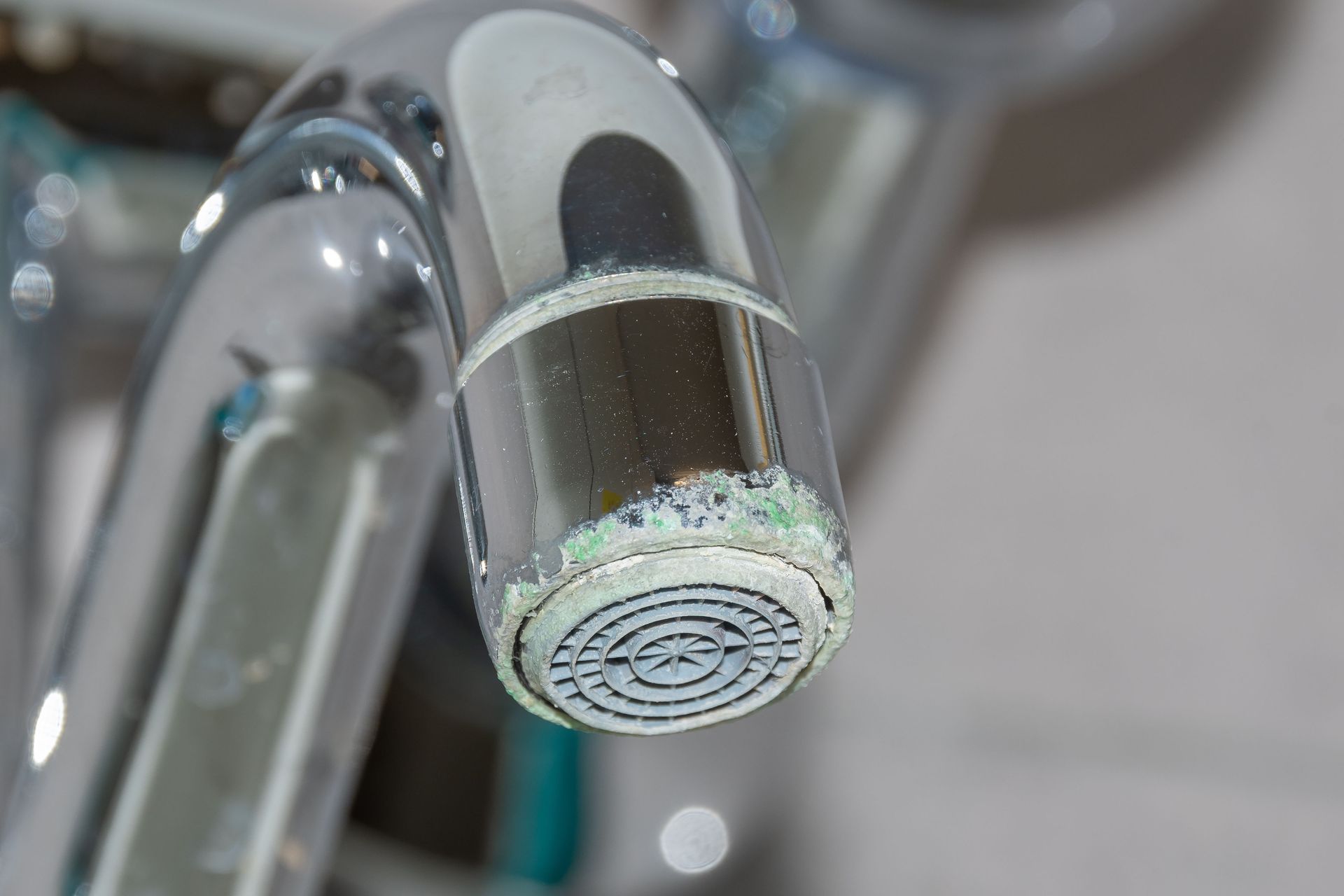
There are several telltale signs that can indicate the presence of hard water in a home. Residents might notice scratchy and discolored laundry, spots on dishes and glassware, and reduced lathering of soap and shampoo. Additionally, many households experience scale buildup on faucets and inside appliances, which can lead to inefficiencies and maintenance issues. For many homeowners, these signs can be a daily inconvenience that affects both the appearance and functionality of household items. Regular exposure to these conditions can prompt homeowners to seek effective solutions like water softeners, often recommended by a local plumber who understands the regional water quality.
The Consequences of Hard Water on Plumbing Systems
Hard water can significantly impact plumbing systems by causing scale buildup inside pipes and fittings. Over time, this buildup can restrict water flow, reduce the efficiency of water heaters, and increase the risk of leaks and ruptures. Homeowners may face frequent repairs and replacements, which can be both disruptive and costly, making consultation with a local plumber a wise preventative step. The accumulation of minerals not only affects plumbing integrity but can also lead to increased energy consumption. This is because appliances have to work harder to overcome the mineral-induced inefficiencies.
The Science Behind Water Softeners
Basic Principles of Water Softening
Water softeners operate on the principle of ion exchange, which effectively removes calcium and magnesium ions that contribute to water hardness. At the core of the system is a resin bed that captures these hardness ions and replaces them with sodium or potassium ions. This exchange process softens the water before it travels further into the household plumbing system. By systematically removing the offending minerals, water softeners improve water quality and mitigate the various negative effects of hard water. This scientific approach is the foundation of why water softeners are highly recommended by a local plumber in hard water regions.
Types of Water Softeners
There are several types of water softeners available, each with unique advantages. Salt-based ion exchange water softeners are the most common and effective option for providing comprehensive hardness removal. Meanwhile, salt-free water conditioners do not remove hardness minerals but instead prevent them from adhering to surfaces. These systems are useful for those concerned about sodium intake or wishing for a less intensive maintenance routine. Additionally, there are magnetic and electronic descalers, which are more compact and suggest less complex installation procedures. Homeowners can choose among these technologies based on their specific needs and preferences.
The Ion Exchange Process
The ion exchange process, central to the function of most water softeners, involves a sophisticated chemical transition. Hard water enters the softener system and passes through the resin beads, which are embedded with sodium ions. As the calcium and magnesium ions bind to the resin, sodium ions are released into the water, effectively 'softening' it. This initiated exchange maintains the integrity of hardness minerals within the resin and leaves the water supply free of problematic buildup. The result is water that no longer causes scale deposits and has improved compatibility with soaps and detergents.
Prolonging Appliance Lifespan
Protecting Household Appliances
Water softeners offer substantial protection to household appliances by preventing mineral-related damage that naturally occurs with hard water. Washing machines, dishwashers, and water heaters, in particular, benefit from prolonged life when the troublesome scale buildup is eliminated. These appliances operate more efficiently without mineral obstruction, maintaining their designed performance levels without the need for frequent service. In addition, softened water ensures that these machines do their respective jobs more optimally, producing better washes, cleaner dishes, and more efficient temperature control. By extending appliance longevity, homeowners can enjoy financial savings on replacements and repairs.
Reduction in Scale Accumulation
Mineral scale buildup can be a significant challenge for any equipment that uses water as part of its operating system. Within a home, this involves key appliances like water heaters, which are directly responsible for a large share of energy consumption. With water softeners reducing scale accumulation, these appliances remain efficient, saving energy by allowing heat transfer to occur without interference. Moreover, large-scale appliances face less wear and tear without the abrasive scale deposits, ultimately leading to a longer useful lifespan. In summary, eliminating scale directly translates to more efficient and functional household systems.
Improved Efficiency and Energy Savings
By removing mineral content, softened water enhances the performance and energy efficiency of related appliances. Water heaters, in particular, benefit from greater efficiency as heating elements free from scale build-up allow for faster heating times with less energy. This efficiency translates to lower monthly energy costs and helps homeowners achieve substantial energy savings over time. Significantly, using softer water eliminates the need for excessive detergent use, causing washing machines and dishwashers to work more effectively. By enabling appliances to function at their intended capacities, water softeners contribute to an eco-friendly household while decreasing utility costs.
Better Plumbing System Longevity
Preventing Pipe Corrosion
One of the long-term benefits of installing a water softening system is the prevention of pipe corrosion due to mineral buildup. Hard water minerals such as calcium and magnesium can settle within your pipes, creating a corrosive environment that deteriorates the material over time. This corrosion can eventually lead to leaks, bursts, and costly repairs. Installing a water softening system under the guidance of a local plumber ensures proper integration with existing pipes, maximizing protection against corrosion. This protection is invaluable for maintaining the integrity and efficiency of a home's plumbing system.
Avoiding Blockages and Clogs
Blockages and clogs often result from mineral deposits that form constrictive layers within pipes and other plumbing fixtures. These deposits reduce water flow, leading to pressure issues and potential system failures. Water softeners effectively prevent these disruptions by eliminating the minerals responsible for such buildup. With softened water, the risk of blockages decreases, allowing for a freer flow and reduced stress on plumbing components. This sustained efficiency not only curtails emergency plumbing services but also upholds consistent water quality and delivery throughout the home.
Maintaining Optimal Water Pressure
Maintaining optimal water pressure is crucial for the satisfactory operation of plumbing systems and appliances. Hard water, by reducing internal pipe diameter through deposits, negatively affects pressure, causing issues with showers, sinks, and water-based devices. The use of a water softener prevents mineral obstructive deposits, ensuring that water pressure remains consistent. This safeguard bolsters the entire plumbing network, allowing it to function more efficiently with reduced wear and tear. In addition to optimal pressure, softened water helps assure a regulated and enjoyable water distribution throughout household needs.
Water softeners effectively address the challenges of hard water by protecting plumbing, improving appliance performance, and enhancing water quality. By reducing scale buildup, they extend the lifespan of pipes and appliances, maintain consistent water pressure, and boost energy efficiency. Whether salt-based, salt-free, or electronic, water softeners provide long-term benefits that lower maintenance costs and make daily water use more efficient and reliable. For homeowners in hard water areas, investing in a water softener is a smart way to preserve both plumbing and appliances while ensuring a smoother water experience. Contact a local plumber at Iron Wheel Heating Cooling & Plumbing LLC to install a water softener today!





Share On: